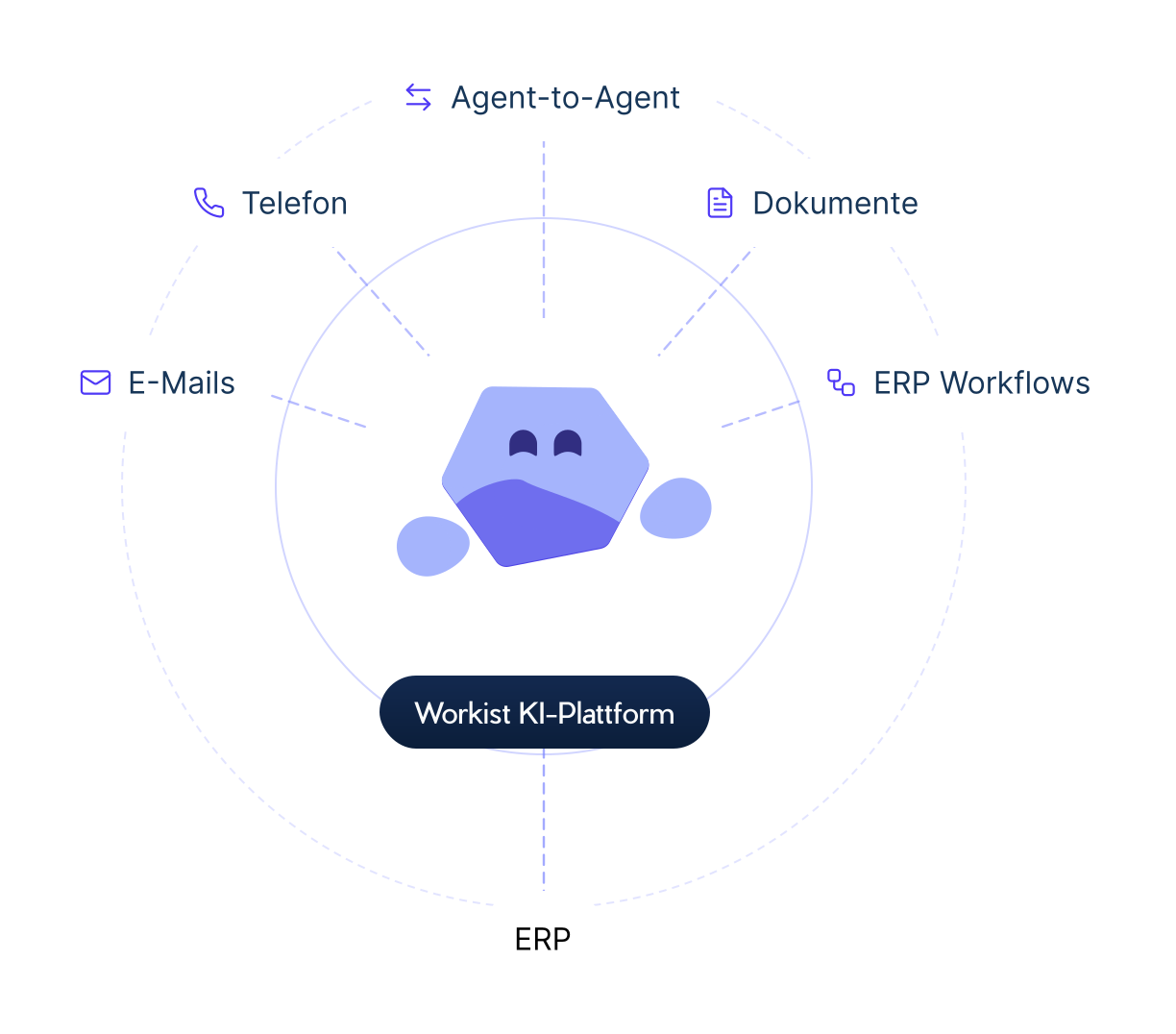
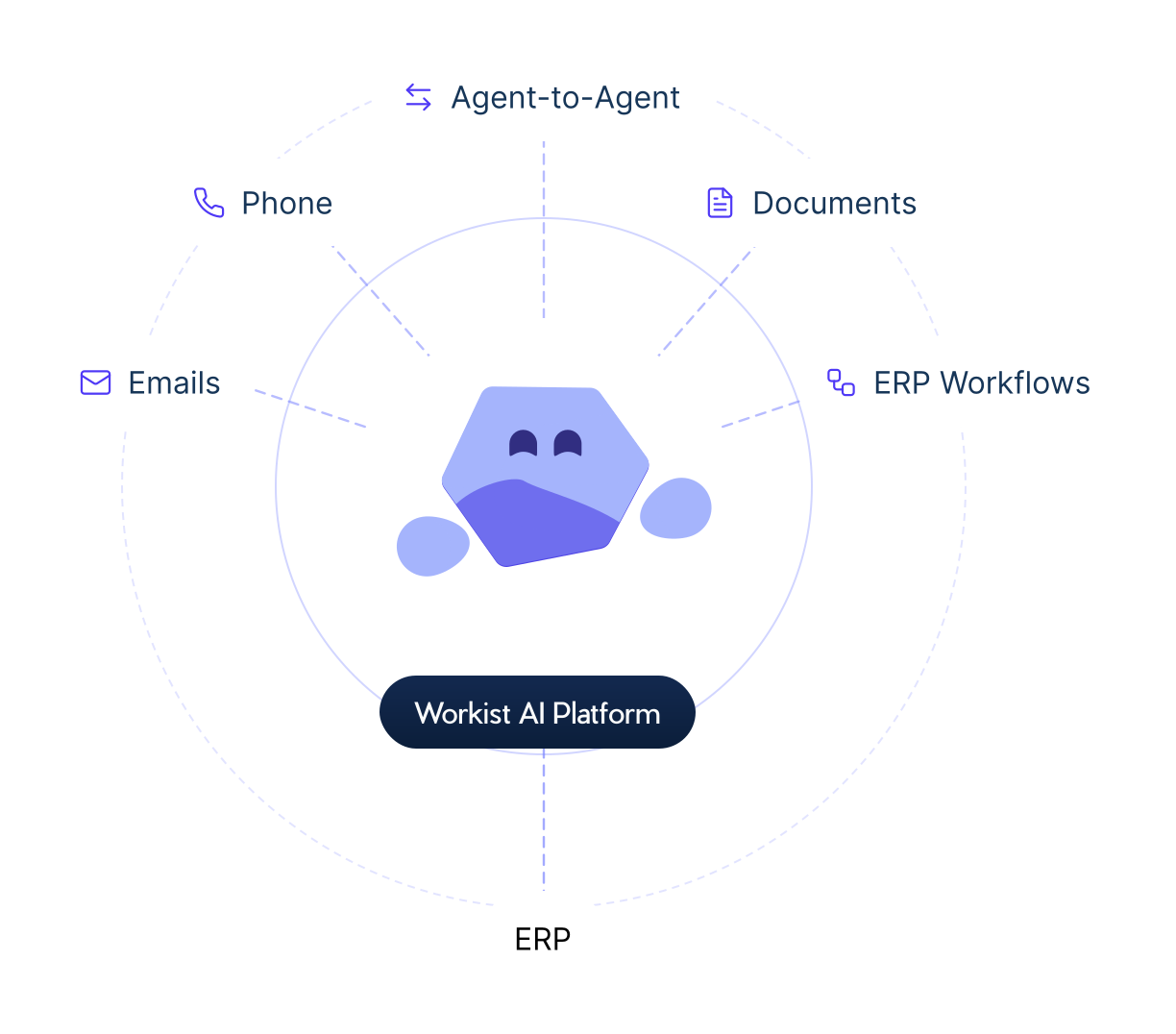
Reads orders from email, PDF and Excel, checks every line item against your master data and creates the order in your ERP.
Answers status, price and availability inquiries in your inbox using the data from your ERP.
Takes calls, understands orders and follow-up questions and records them directly as a transaction.
Automate recurring workflows in your ERP system, get analyses on demand and complete tasks simply via chat instead of in cluttered screens.
Manufacturers and wholesalers automate their sales processes with Workist's AI agents and win back hours for their customers every week. Three examples from practice.


Previously 4.5 minutes per order, today 16 seconds. In a single quarter, that added up to 68 working days saved.
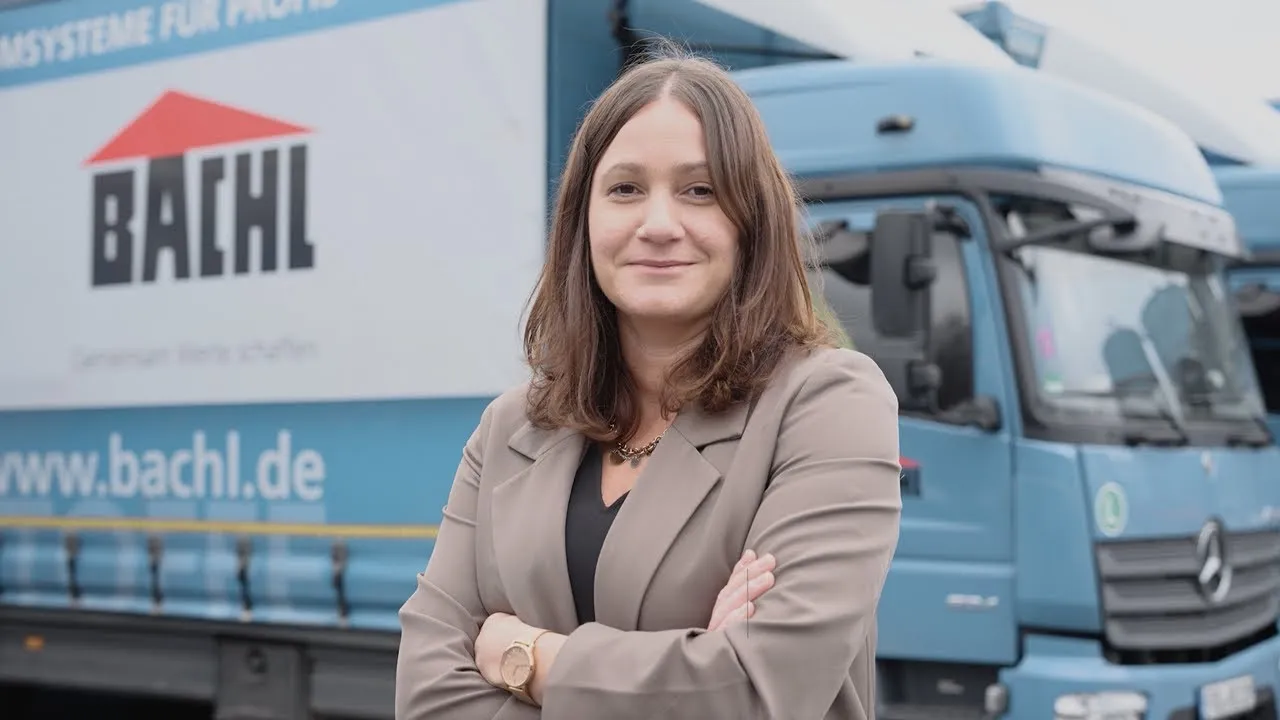

Several hundred orders per week run through Workist. That saves the sales back office 20 hours every week.

75% less processing time in sales with several thousand documents per quarter.
For manufacturers and wholesalers who receive orders, inquiries and follow-up questions by email, PDF or phone every day and want to process them automatically.
Pure transport companies. Workist does not currently process transport orders.
Classic OCR only recognizes characters on an image. Workist uses Document Language Models that understand the meaning behind them. In practice: the agent reads orders from emails, PDFs, Excel sheets, or iDocs, regardless of the supplier's layout. It then matches every data point against the master data in your ERP, including customers, items, pricing conditions, and delivery addresses. Typically, 60 to 90 percent of orders run fully automatically. The rest is reviewed by a team member before anything lands in the ERP. The agent doesn't guess.
We currently have native integrations for most common ERP systems: SAP S/4HANA, SAP ECC, Oracle NetSuite, Microsoft Dynamics 365 Business Central, Dynamics NAV, Sage 100, Sage 200, proALPHA, ABAS, weclapp, and Global Shop Solutions, more than 40 systems in total. If your ERP isn't on the list, we'll clarify it in the initial call. Standard interfaces like REST, OData, SOAP, BAPIs in SAP, SuiteTalk in NetSuite, or classic EDI can usually be connected meaningfully.
Workist covers the entire path from inbox to booked record and validates against your master data along the way. OCR software recognizes characters on a document but has no context. As soon as a supplier changes their order form, the maintenance work begins. RPA bots click their way automatically through the ERP interface and break with every UI update. EDI only really works cleanly when all suppliers speak the same standard, which is rarely the case in practice.
Your team no longer types up documents. Transactions run through faster, and errors are caught before they reach the ERP.
Depends on the ERP. NetSuite and Business Central are usually live in a week. SAP S/4HANA and ECC take about six weeks, because the Z-program package is deployed through our partner Syncwork via transport request into your tenant. As an alternative to the API or native connector approach, Workist can also be connected classically via EDI through SFTP or AS2. The process stays similar: kickoff, master data alignment, configuration of document types, end-to-end test in the sandbox, then go-live. We don't need custom code in the ERP core, and there is no template training per customer.
Hosting in the EU. We are SOC 2 Type II audited and GDPR-compliant, and a data processing agreement is included at no extra cost. Your data doesn't end up in the training of external AI models, neither at OpenAI nor at any other provider. The platform runs multi-tenant, but every customer has a strictly separated environment.
Workist is a SaaS solution with a monthly subscription. The price depends on how many documents you process and which use cases or ERP tenants are connected. We discuss concrete numbers in the value assessment, which is free. For orientation: at a mid-sized customer with around 50 orders per day, it usually pays off after three to six months. Four hours of manual order entry per day are eliminated.
Four. The Inbox Agent answers inquiries in your inbox, the Order Agent captures orders, the Phone Agent takes calls and the ERP Automation Agent handles workflows directly in your ERP. All of them run on the same platform and use the same master data.
Yes. Most customers start with order entry and add more agents later.